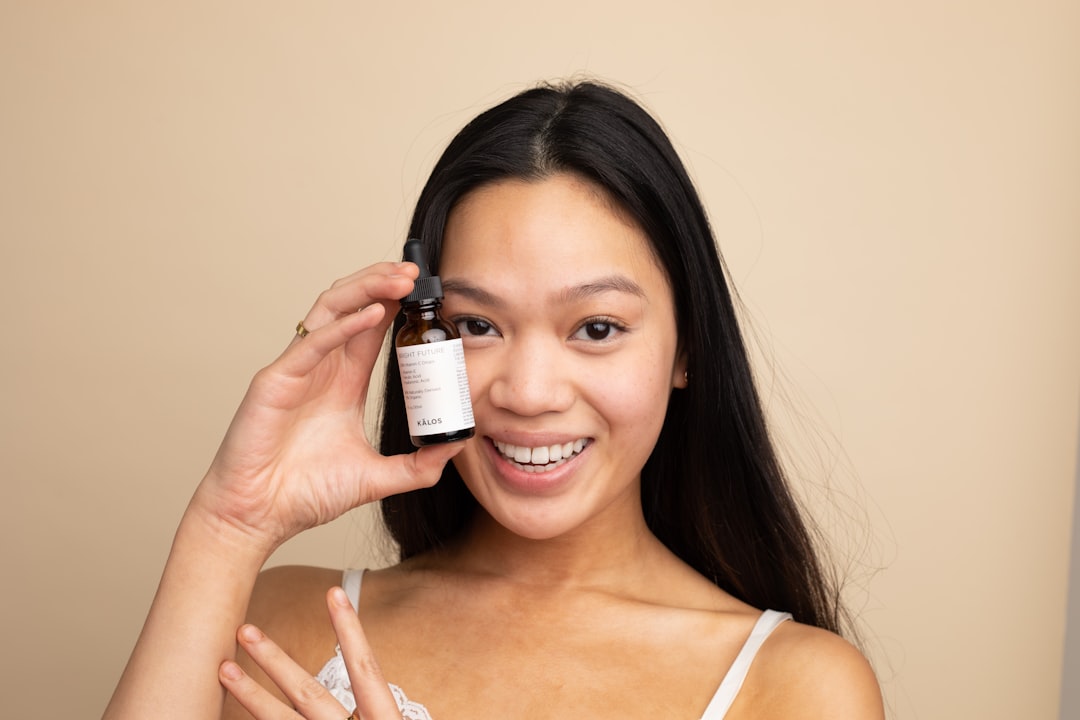
Dark spots, post-acne marks, and uneven skin tone can be stubborn, but the right serum can make a meaningful difference when used consistently. The key is choosing ingredients that target excess pigment without over-irritating your skin barrier.
In this guide, we break down the most useful serum ingredients for pigmentation, how to choose one for your skin type, what to pair with it, and which mistakes can make dark spots harder to fade.
- What Is a Pigmentation Serum?
- Best Pigmentation Serum Ingredients
- How to Choose a Serum for Pigmentation
- Best Serum Types by Skin Concern
- How to Use a Pigmentation Serum
- Do Pigmentation Serums Permanently Remove Dark Spots?
- Why Sunscreen Matters
- Common Mistakes That Can Make Pigmentation Worse
- When to See a Dermatologist
- Bottom Line
What Is a Pigmentation Serum?
A pigmentation serum is a concentrated skincare product formulated to help improve the appearance of uneven skin tone, dark spots, and discoloration. Depending on the formula, it may use ingredients such as vitamin C, niacinamide, azelaic acid, tranexamic acid, alpha arbutin, or exfoliating acids.
The best choice depends on why the pigmentation developed, your skin type, and how sensitive your skin is. A stronger formula is not automatically a better one.
Best Pigmentation Serum Ingredients
Vitamin C
Vitamin C is a popular antioxidant used in brightening products. It can help improve the appearance of uneven tone while also helping protect skin from oxidative stress. More potent vitamin C formulas can be irritating for some people, so beginners may prefer a gentler derivative or lower concentration.
Niacinamide
Niacinamide is a versatile option for people who want brightening support alongside barrier care. It can be especially useful when pigmentation is accompanied by excess oil or visible redness.
Azelaic Acid
Azelaic acid is useful when discoloration is linked with acne or inflammation. It can address more than one concern at once, although sensitive skin should still introduce it gradually.
Tranexamic Acid
Tranexamic acid has become a popular ingredient in products designed for stubborn discoloration and uneven tone. It is often combined with other brightening ingredients in modern serum formulas.
Alpha Arbutin
Alpha arbutin is another pigment-targeting ingredient frequently used in brightening serums. It can be a useful option for someone looking for a focused dark-spot routine without relying on aggressive exfoliation.
How to Choose a Serum for Pigmentation
- Identify the type of discoloration. Post-acne marks, sun-related spots, and hormonally influenced pigmentation may respond differently.
- Consider your skin type. Oily skin may tolerate lightweight formulas, while dry or sensitive skin may benefit from simpler, barrier-friendly formulas.
- Start with one active. Adding several strong brightening products at once makes irritation more likely and makes it difficult to identify what is helping.
- Check the full formula. Look for supporting ingredients such as glycerin, ceramides, panthenol, or other moisturizing components when your skin is easily irritated.
- Use sunscreen. A brightening routine without daily sun protection is working against itself.
Best Serum Types by Skin Concern
| Skin concern | Serum approach | What to prioritize |
|---|---|---|
| Post-acne dark marks | Brightening + anti-inflammatory | Azelaic acid, niacinamide, or vitamin C |
| Uneven overall tone | Antioxidant + pigment support | Vitamin C, niacinamide, alpha arbutin |
| Stubborn discoloration | Targeted pigment routine | Tranexamic acid or a multi-ingredient formula |
| Sensitive skin | Gentle, barrier-conscious approach | Niacinamide or a low-irritation brightening formula |
| Oily, acne-prone skin | Lightweight treatment | Niacinamide or azelaic acid |
How to Use a Pigmentation Serum
Apply your serum according to the product directions, usually after cleansing and before moisturizer. If you are introducing a new active, start slowly rather than layering several treatment products immediately.
Patch testing can be sensible for a new product, especially if your skin is reactive. Stop using a product if it causes significant burning, swelling, or persistent irritation.
Do Pigmentation Serums Permanently Remove Dark Spots?
No skincare serum can honestly guarantee permanent removal of pigmentation. Results depend on the underlying cause, the specific type of discoloration, sun exposure, hormones, inflammation, and whether the trigger continues.
A realistic goal is to gradually reduce the appearance of discoloration and prevent new pigmentation. Consistency matters more than trying to force faster results with increasingly strong products.
Why Sunscreen Matters
Daily broad-spectrum sunscreen is one of the most important parts of a pigmentation routine. UV exposure can worsen existing discoloration and make progress harder to maintain.
If pigmentation is your main concern, think of sunscreen as part of the treatment—not an optional final step.
Common Mistakes That Can Make Pigmentation Worse
- Using too many exfoliating or brightening actives at once.
- Scrubbing dark spots aggressively.
- Skipping sunscreen.
- Picking at acne or irritated skin.
- Changing products every few days instead of giving a routine time to work.
- Using unregulated “bleaching” products or ingredients that are inappropriate for facial skin.
When to See a Dermatologist
See a dermatologist if pigmentation appears suddenly, changes rapidly, is associated with other symptoms, or does not improve despite a consistent, gentle routine. A professional can determine whether the discoloration is ordinary post-inflammatory pigmentation, melasma, another skin condition, or something that needs different treatment.
Bottom Line
The best pigmentation serum is not necessarily the strongest or most expensive. Choose an ingredient suited to your concern, introduce it gradually, protect your skin from UV exposure, and give the routine time to work.
For a broader foundation, see Everyday Refined’s minimalist skincare routine for guidance on building a simple, barrier-conscious routine. For pigmentation in the intimate area rather than the face, see our intimate-area pigmentation guide.