
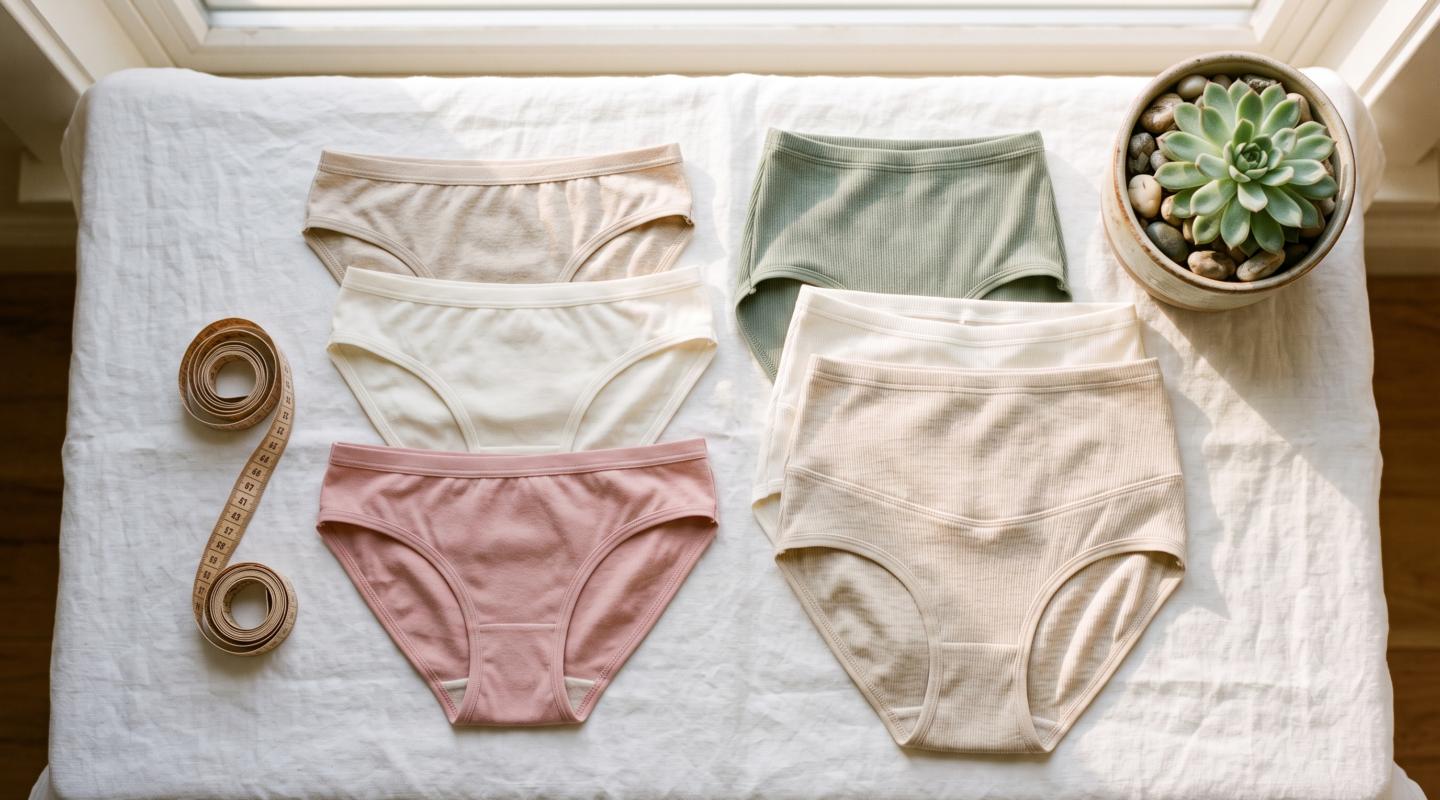
Finding the right maternity underwear is one of the most underrated upgrades you can make during pregnancy. As your body changes, regular underwear can roll down, pinch skin, or dig into a growing bump. Pregnancy brings increased blood volume, fluctuating body temperature, higher skin sensitivity, and increased vaginal discharge. Standard elastic waistbands and narrow crotch gussets quickly become uncomfortable.
Maternity underwear is engineered specifically to accommodate these physical shifts. Whether you need gentle under-the-bump support, full belly coverage, leak protection, or incision protection following a C-section, investing in purpose-built intimate apparel makes a noticeable difference in daily comfort.
- What Is Maternity Underwear and Why Do You Need It?
- Key Types of Maternity Underwear
- Essential Features to Look For
- Fabric Comparison: Material Matters
- Fit and Sizing Guide Across Trimesters
- Common Maternity Underwear Mistakes to Avoid
- Top 5 Recommended Maternity Underwear Options
- Frequently Asked Questions
- Final Verdict
What Is Maternity Underwear and Why Do You Need It?
Maternity underwear is intimate apparel designed with expanded stretch capacity, low-pressure waistbands, wider gussets, and non-irritating seams. Standard underwear relies on tight elastic to stay in place, which causes localized pressure points on a expanding lower abdomen.
Key Reasons to Switch During Pregnancy
-
Pressure Redistribution: Standard elastic cuts into the lower belly, causing skin indentation, digestive discomfort, or irritation around scar tissue.
-
Wider Gusset Area: Hormonal shifts during pregnancy increase discharge. A wider crotch panel prevents shifting and accommodates panty liners or postpartum pads securely.
-
Targeted Support: High-waisted maternity briefs offer light abdominal support, reducing the heavy feeling in the lower pelvis during the third trimester.
-
Sensory Comfort: Hormone-induced skin sensitivity requires ultra-soft, tagless, and non-chafing fabrics.
Key Types of Maternity Underwear
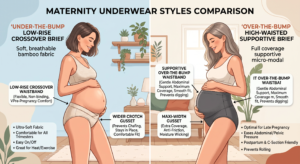
Different stages of pregnancy and personal preferences dictate which silhouette works best.
1. Under-the-Bump
-
Design: Cut low in the front, often featuring a V-shaped or crossover waistband that sits beneath the belly curve.
-
Best For: First trimester, warm weather, women who dislike any pressure on their stomach, and early postpartum wear.
-
Advantage: Eliminates belly compression entirely and easily transitions into regular post-pregnancy wear.
2. Over-the-Bump
-
Design: High-waisted briefs that extend completely over the bump to sit right below the ribcage.
-
Best For: Second and third trimesters, cold weather, under dresses, and C-section recovery.
-
Advantage: Provides gentle full-belly support, prevents pants from digging in, and keeps C-section incisions protected from friction.
3. Fold-Over Waistband
-
Design: Flexible high-rise fabric that can be worn pulled up over the bump or folded down beneath it.
-
Best For: Transitional periods between trimesters and the early weeks postpartum.
-
Advantage: Maximum versatility in a single garment.
4. Absorbent / Leakproof
-
Design: Features integrated multi-layer moisture-wicking and leak-resistant panels in the gusset.
-
Best For: Managing increased discharge, mild bladder leaks from sneezing or laughing, and light postpartum Lochia.
-
Advantage: Reduces reliance on disposable liners and protects outer clothing.
Essential Features to Look For
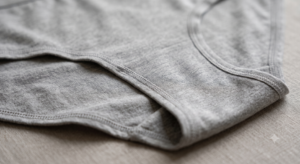
When evaluating options, prioritize these design elements over aesthetics:
-
Seamless or Flat-Seam Construction: Raised seams can rub against sensitive skin or press into a healing C-section incision.
-
Wide Crotch Gusset: Extra width keeps liners in place without bunching or side leakage.
-
Breathable Natural-Blend Lining: Ensure the interior gusset is lined with 100% natural cotton or bamboo to prevent moisture buildup and lower the risk of yeast infections.
-
4-Way Stretch Fabric: Allows the garment to expand across multiple stages without losing shape recovery.
-
Raw-Cut or Band-Free Leg Openings: Heavy elastic around the thighs can restrict circulation when fluid retention increases in late pregnancy.
Fabric Comparison: Material Matters
Selecting the correct fabric blend determines how cool, comfortable, and dry you stay throughout the day.
| Fabric Type | Breathability | Stretch & Recovery | Softness | Best Suited For |
|---|---|---|---|---|
| Organic Cotton | Exceptional | Moderate | High | Everyday wear, sensitive skin, infection prevention |
| MicroModal | High | Superior | Ultra-Soft | Nighttime wear, sensitive skin, C-section protection |
| Bamboo Viscose | Exceptional | High | Very High | Hot flashes, summer pregnancy, moisture absorption |
| Nylon / Spandex Blend | Moderate | Maximum | Smooth | Active wear, seamless outer coverage, light support |
Fit and Sizing Guide Across Trimesters
Sizing for maternity underwear generally aligns with your pre-pregnancy size, as manufacturers account for weight distribution in the hip and stomach areas. However, body changes vary.
-
First Trimester: Stick with your standard pre-pregnancy size in low-rise crossover styles. Bloating is primary, so non-binding waistbands are essential.
-
Second Trimester: As the bump moves upward and hips widen, evaluate whether you prefer over-the-bump support or under-the-bump low cuts. If you gain weight in the thighs and seat, size up one size.
-
Third Trimester & Hospital Prep: Fluid retention peaks. Opt for soft, high-stretch fabrics (MicroModal or Bamboo). If preparing for a C-section, select high-waisted briefs that clear the pubic hairline by at least two inches.
Common Maternity Underwear Mistakes to Avoid
-
Buying Sized-Up Regular Underwear: Sizing up in non-maternity styles results in saggy leg openings, excess fabric in the rear, and a waistband that still rolls under the belly curve.
-
Choosing Synthetic Fabrics Without Cotton Lining: Polyester or pure synthetic blends trap heat and humidity, increasing vulnerability to skin rashes and infections.
-
Buying Too Early or All at Once: Body shapes evolve unpredictably. Purchase a 3-pack to start, determine your preferred style, and reorder as your pregnancy progresses.
-
Ignoring Postpartum Compatibility: Opt for styles that accommodate large maternity pads and protect abdominal incisions for the fourth trimester.
Top 5 Recommended Maternity Underwear Options
These five picks stand out based on verified material quality, structural support, customer feedback, and functional design.
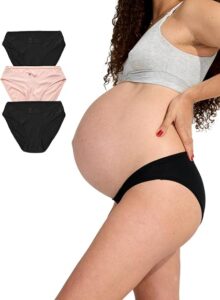
1. Bodily The All-In Panty
-
Best For: Best Overall Premium Pick & C-Section Recovery
-
Key Features: Made from ultra-soft MicroModal, super high-waisted cut that sits far above C-section incision lines, gentle zero-pressure stretch.
-
Pros:
-
Exceptionally soft, non-irritating fabric
-
Protects C-section recovery areas completely
-
Expands effortlessly from late pregnancy through postpartum
-
-
Cons:
-
Higher price point per pair
-
Delicacy requires gentle washing cycles
-
-
Why We Recommend It: It provides an unbeatably soft feel without applying binding pressure, making it the top choice for late-stage pregnancy and sensitive surgical recoveries.
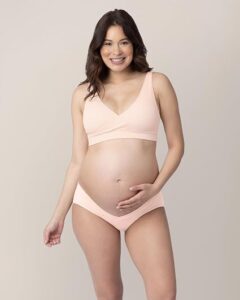
2. Kindred Bravely Grow With Me Under-the-Bump Brief
-
Best For: Best Low-Rise Under-the-Bump Comfort
-
Key Features: Crossover V-waistband, soft bamboo-viscose blend, full rear coverage, tagless tag design.
-
Pros:
-
Crossover front sits securely beneath the bump without slipping
-
Breathable, moisture-wicking material
-
Does not dig into hips or pelvis
-
-
Cons:
-
Offers no belly support for heavy third-trimester bump weight
-
-
Why We Recommend It: Ideal for women who dislike any fabric covering their stomach. The V-shape adapts continuously without rolling down.
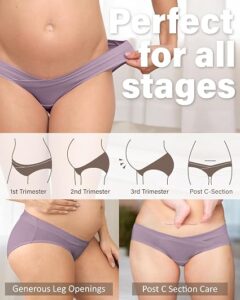
3. Intimate Portal Low-Rise Cotton Maternity Panties
-
Best For: Best Value Multi-Pack for Daily Wear
-
Key Features: 95% Refined Cotton with 5% Spandex, contoured low-cut leg line, light-colored inner cotton lining for monitoring discharge.
-
Pros:
-
Budget-friendly multi-pack pricing
-
High cotton content ensures maximum breathability
-
Light inner lining makes hygiene monitoring simple
-
-
Cons:
-
Thicker seams may show through thin compression leggings
-
-
Why We Recommend It: A practical workhorse option that delivers essential cotton breathability and crossover comfort at an accessible price point.
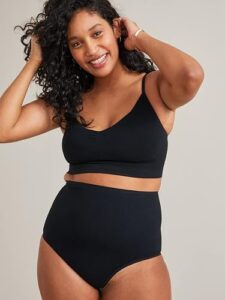
4. Hatch The Seamless Belly Brief
-
Best For: Best Over-the-Bump Seamless Support
-
Key Features: Full over-the-belly panel, seamless construction, lightweight moisture-wicking nylon blend.
-
Pros:
-
Completely invisible under tight dresses and knitwear
-
Provides gentle, soothing smoothing over the full belly
-
Retains shape without sagging over long wear
-
-
Cons:
-
Synthetic fabric blend runs warmer than pure cotton
-
-
Why We Recommend It: The premier choice when you need a smooth silhouette under fitted maternity clothing without restrictive compression.
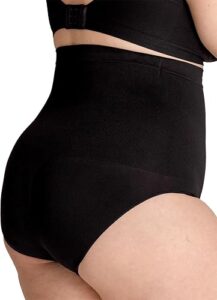
5. Shapermint Essentials Absorbent Leakproof Panty
-
Best For: Best for Heavy Discharge and Light Bladder Protection
-
Key Features: Multi-layered absorbent core, leak-resistant barrier, full-coverage high-rise waistband.
-
Pros:
-
Holds up to 2-3 tampons’ worth of liquid discreetly
-
Replaces daily disposable liners
-
Neutralizes odor effectively
-
-
Cons:
-
Slightly thicker in the crotch panel
-
Requires specific air-drying care to protect moisture barriers
-
-
Why We Recommend It: Gives expecting mothers total peace of mind against pregnancy-induced light incontinence or increased discharge without feeling like a diaper.
Frequently Asked Questions
When should I start wearing maternity underwear?
Most women make the switch between weeks 12 and 16, when normal waistbands start feeling tight due to lower abdominal bloating. However, you can switch as soon as your regular pairs feel uncomfortable.
Can I just buy regular underwear in a larger size?
Sizing up in regular underwear often leads to a poor fit. The leg holes become too loose, the rear sags, and the waistband still cuts across the middle of your growing bump. Maternity pairs are cut specifically to stretch over or sit cleanly beneath the belly while maintaining proper fit elsewhere.
How many pairs of maternity underwear do I need?
A practical collection consists of 7 to 10 pairs. This allows for normal laundry cycles while accounting for potential mid-day wardrobe changes due to discharge or sweat.
What underwear is best after a C-section?
High-waisted styles made from breathable, soft materials like MicroModal or cotton are best. Ensure the waistband sits well above the pubic bone to prevent friction against the incision line.
Final Verdict
Upgrading your intimate apparel is an essential investment in daily comfort during pregnancy. For all-around luxury and C-section readiness, Bodily The All-In Panty sets the standard for softness and abdominal relief. If you prefer low-rise styling that sits beneath your bump, Kindred Bravely Grow With Me offers an exceptional bamboo crossover design. For seamless coverage under fitted outfits, Hatch The Seamless Belly Brief provides a smooth profile. Choose based on your trimester needs, waistline preference, and daily wardrobe requirements.



[…] on a large bump. If you’re also building a comfortable maternity wardrobe, see our guide to best maternity underwear. Layering can also help if your body temperature or comfort changes throughout the […]